|
Advice from:
The Physio Joint & Knee
Clinic, Arie Michaeli, M.Sc Physio (Wits), Clinical
Physiotherapist and a part-time lecturer.
Tel:(011) 640-2097 or 485-3447
Taping
Method for Painful Knees
|
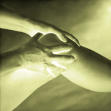 While
exercise is known to be vital for one’s general health, many physically
active people develop conditions, which make it impossible for them to
continue with their chosen form of activity. Anterior knee pain known as
“runners
knee”
among road runners and
“cyclist’s knee”
in the cycling fraternity is one of the most common disabling conditions
affecting
physically active people of all ages
– particularly athletes. The symptoms of this condition are pain behind or
around the kneecap which might be associated with “creaking” while bending
and straightening the knee when running, riding or exercising. The pain is
usually aggravated by various activities, especially
running downhill,
squatting, going up and down stairs While
exercise is known to be vital for one’s general health, many physically
active people develop conditions, which make it impossible for them to
continue with their chosen form of activity. Anterior knee pain known as
“runners
knee”
among road runners and
“cyclist’s knee”
in the cycling fraternity is one of the most common disabling conditions
affecting
physically active people of all ages
– particularly athletes. The symptoms of this condition are pain behind or
around the kneecap which might be associated with “creaking” while bending
and straightening the knee when running, riding or exercising. The pain is
usually aggravated by various activities, especially
running downhill,
squatting, going up and down stairs
 and
sitting
with the knee in a bent position for a prolonged period (“movie goers
knee”).
and
sitting
with the knee in a bent position for a prolonged period (“movie goers
knee”).
The
success rate of most treatment regimens for this condition had been very
poor and in the long-term, the condition frequently recurs. In the past the
only available option was surgery or curtailing physical activity.
Alternative
While
studying with Jenny McConnell. An internationally renowned physiotherapist,
Arie learned about her easy, painless, safe and inexpensive alternative.
The treatment involves a unique method of taping the painful knee to realign
the kneecap, and keep it in its correct position in the centre of the
thighbone.
Once
the patient is pain free, specific exercise training is undertaken. This
may be accompanied by stretching of the quadriceps and
Illio Tibial Band
and correction of the foot position. Additional steps for cyclists, which
might have to be taken, include adjusting the saddle if too low, adjusting
the cleats so that the foot is in a neutral position and avoiding high
gears.
Four thousand patients
were treated with the McConnell Method over a period of 8 years. Their ages
ranged from 8 to over 60. Their activities vary from long distance running
to cycling; tennis to dancing; soccer to karate; swimming to squash.
The
results indicated that the
McConnel Method
significantly reduces the pain experienced by over 90 percent of patients,
enabling them to continue their activities without discomfort. Most
required an average of only
six treatments.
Comrades Marathon
Among
the most grueling tests of the taping method was the Comrades Marathon.
Fifty
Comrades runners, who had been treated with the McConnell method,
participated in the annual ultra-marathon. All runners had been
experiencing symptoms, which seriously affected their training and in
extreme cases prevented them from training at all. Eight of the runners
were Comrades novices and the remainder had completed between two and 12
Comrades. All but one (who withdrew because of cramps) completed the race
and five improved on their previous times, attributing most of their success
to the taping.
Not just athletes’ knees
Today, tapes are also being used successfully for the non-sporting knee,
shin splints, tennis elbow, painful shoulder, low back pain (including
pregnancy), pain following fractures of the ribs and whiplash injury.
The Physio Joint & Knee
Clinic can
be contacted at (011) 485-3447, (Highlands North area).
For 24 hour Emergencies
please call 082 741 1644.
E-Mail –
clinisol@mweb.co.za
|

